Ever wondered how complex software systems come to life? It all starts with a structured approach known as the system development life cycle. This proven framework guides teams from idea to deployment—and beyond.
[ez-toc]



What Is the System Development Life Cycle?

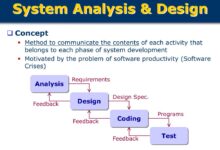
The system development life cycle (SDLC) is a comprehensive process used to design, develop, test, and deploy information systems efficiently. It provides a clear roadmap for building high-quality software that meets user requirements while staying within budget and timeline constraints.
Definition and Core Purpose
At its core, the system development life cycle is a methodology that structures the development of software systems. Its primary goal is to produce scalable, reliable, and maintainable systems through well-defined phases.
- Ensures systematic planning and execution
- Reduces risks through early identification of issues
- Improves communication among stakeholders
According to the ISACA Journal, SDLC helps organizations align IT projects with business goals by enforcing discipline and accountability throughout the development process.
Historical Evolution of SDLC
The concept of the system development life cycle emerged in the 1960s alongside the growth of mainframe computing. As software projects grew in complexity, the need for structured methodologies became apparent.
- 1960s–1970s: Waterfall model introduced
- 1980s: Rise of structured programming and analysis
- 1990s: Prototyping and iterative models gain traction
- 2000s–Present: Agile and DevOps transform traditional SDLC
Today, the system development life cycle has evolved into a flexible framework that can adapt to both traditional and modern development environments.
“SDLC is not just about coding—it’s about delivering value through disciplined engineering and stakeholder collaboration.” — TechTarget
The 7 Key Stages of the System Development Life Cycle
Understanding the stages of the system development life cycle is crucial for anyone involved in software development. Each phase plays a vital role in ensuring the final product meets user needs and performs reliably.
1. Planning and Requirement Analysis
This initial stage sets the foundation for the entire project. It involves gathering detailed requirements from stakeholders, defining objectives, and assessing feasibility.
- Identify business needs and project scope
- Conduct stakeholder interviews and surveys
- Document functional and non-functional requirements
A thorough requirement analysis minimizes misunderstandings later in the process. Tools like SWOT analysis and cost-benefit assessments are often used during this phase. The output is typically a Software Requirements Specification (SRS) document, which serves as a contract between developers and clients.
2. System Design
Once requirements are clear, the next step in the system development life cycle is designing the system architecture. This phase translates user needs into technical specifications.
- Create system architecture diagrams
- Define data models and database schemas
- Select appropriate technologies and platforms
Designs may include both high-level overviews and detailed module specifications. The goal is to ensure scalability, security, and performance. Design documents are reviewed by technical leads and stakeholders before moving forward.
3. Implementation (Development)
This is where coding begins. Developers use the design documents to build the actual software system. It’s often the longest phase in the system development life cycle.
- Write code using selected programming languages
- Follow coding standards and best practices
- Integrate third-party libraries and APIs
Version control systems like Git are essential during implementation. Teams may work in parallel on different modules, which are later integrated. Continuous integration (CI) pipelines help detect errors early.
Popular SDLC Models and Methodologies
While the system development life cycle follows a general structure, different models offer unique approaches to managing the process. Choosing the right one depends on project size, complexity, and organizational culture.
Waterfall Model
The Waterfall model is one of the earliest and most straightforward approaches in the system development life cycle. It follows a linear, sequential flow where each phase must be completed before the next begins.
- Ideal for projects with well-defined requirements
- Easy to manage due to rigid structure
- Documentation-heavy, making it suitable for regulatory compliance
However, its inflexibility makes it less suitable for dynamic environments. A change in requirements often requires restarting the process. More information on this model can be found at GeeksforGeeks.
Agile Model
The Agile model revolutionized the system development life cycle by introducing iterative and incremental development. Instead of delivering one final product, Agile delivers working software in small, frequent releases.
- Emphasizes customer collaboration and feedback
- Uses sprints (typically 2–4 weeks) to deliver features
- Adaptable to changing requirements
Frameworks like Scrum and Kanban fall under the Agile umbrella. Agile is especially effective in fast-paced industries where market demands shift rapidly.
DevOps Integration
Modern interpretations of the system development life cycle increasingly incorporate DevOps—a cultural and technical movement that unites development and operations teams.
- Enables continuous integration and continuous delivery (CI/CD)
- Automates testing, deployment, and monitoring
- Reduces time-to-market significantly
DevOps doesn’t replace SDLC; it enhances it by improving collaboration and automation. Tools like Jenkins, Docker, and Kubernetes are commonly used in DevOps-enabled SDLC environments.
Role of Stakeholders in the System Development Life Cycle
No system development life cycle succeeds without active stakeholder involvement. These individuals or groups have a vested interest in the project’s outcome and contribute at various stages.
Key Stakeholder Groups
Stakeholders come from diverse backgrounds and play different roles throughout the system development life cycle.
- Clients/Users: Define requirements and provide feedback
- Project Managers: Oversee timelines, budgets, and resource allocation
- Developers: Build and maintain the software
- QA Engineers: Ensure quality through testing
- IT Operations: Handle deployment and infrastructure
Effective communication among these groups is essential for project success.
Managing Expectations and Communication
One of the biggest challenges in the system development life cycle is aligning stakeholder expectations. Miscommunication can lead to scope creep, delays, or even project failure.
- Hold regular status meetings and sprint reviews
- Use collaborative tools like Jira, Trello, or Asana
- Provide clear documentation and progress reports
Transparency builds trust. When stakeholders understand what’s being built and why, they’re more likely to support the process.
“The success of any SDLC project hinges not on technology, but on people and their ability to collaborate.” — Harvard Business Review
Testing and Quality Assurance in SDLC
Testing is a critical phase in the system development life cycle. It ensures that the software functions as intended and is free from critical defects.
Types of Testing
Different types of testing are applied at various stages of the system development life cycle to catch bugs early.
- Unit Testing: Tests individual components or functions
- Integration Testing: Verifies interaction between modules
- System Testing: Evaluates the complete system
- User Acceptance Testing (UAT): Confirms the system meets business needs
Automated testing tools like Selenium, JUnit, and TestNG help streamline the process and improve coverage.
Importance of Early and Continuous Testing
Finding bugs early saves time and money. The cost of fixing a defect increases exponentially the later it’s discovered in the system development life cycle.
- Shift-left testing encourages testing early in the cycle
- Continuous testing integrates QA into CI/CD pipelines
- Static code analysis tools detect issues before runtime
Organizations that prioritize quality assurance report higher customer satisfaction and fewer post-deployment issues.
Maintenance and Post-Deployment in SDLC
Many believe the system development life cycle ends at deployment. In reality, maintenance is a crucial, ongoing phase that ensures long-term success.
Types of Maintenance
Post-deployment activities fall into several categories within the system development life cycle.
- Corrective Maintenance: Fixing bugs discovered after release
- Adaptive Maintenance: Updating the system to work with new environments (e.g., OS upgrades)
- Perfective Maintenance: Enhancing features based on user feedback
- Preventive Maintenance: Improving system reliability and performance
According to a study by IEEE, up to 70% of software development effort occurs after initial deployment.
User Feedback and Iterative Improvement
Modern SDLC practices emphasize continuous improvement. User feedback is collected through surveys, analytics, and support tickets to guide future updates.
- Monitor application performance and error logs
- Track user behavior with tools like Google Analytics or Hotjar
- Implement feedback in upcoming sprints or releases
This loop of deployment, feedback, and refinement is central to Agile and DevOps philosophies.
Challenges and Risks in the System Development Life Cycle
Despite its structured nature, the system development life cycle is not immune to challenges. Recognizing these risks early can help teams mitigate them effectively.
Scope Creep and Requirement Changes
One of the most common issues in SDLC is scope creep—when project requirements expand beyond the original plan without adjustments to time or budget.
- Lack of clear initial requirements fuels scope creep
- Poor change management processes exacerbate the problem
- Results in delays, budget overruns, and team burnout
Using a formal change control process helps manage evolving requirements without derailing the project.
Communication Gaps
Miscommunication between developers, testers, and stakeholders can lead to incorrect implementations and missed expectations.
- Technical jargon may confuse non-technical stakeholders
- Distributed teams face time zone and cultural barriers
- Insufficient documentation hampers knowledge transfer
Regular stand-ups, visual models (like UML diagrams), and shared documentation platforms reduce these gaps.
“In software projects, poor communication is the silent killer of timelines and budgets.” — Project Management Institute
Best Practices for an Effective System Development Life Cycle
To maximize the benefits of the system development life cycle, organizations should adopt proven best practices that enhance efficiency, quality, and collaboration.
Adopt a Hybrid SDLC Approach
Rather than sticking rigidly to one model, many successful teams use a hybrid approach that combines the strengths of Waterfall, Agile, and DevOps.
- Use Waterfall for planning and documentation
- Apply Agile for development and testing
- Leverage DevOps for deployment and monitoring
This flexibility allows teams to adapt to project-specific needs while maintaining structure.
Invest in Automation
Automation is a game-changer in the system development life cycle. It reduces manual errors, speeds up processes, and improves consistency.
- Automate code builds and deployments
- Use automated testing frameworks
- Implement monitoring and alerting systems
Tools like GitHub Actions, CircleCI, and Ansible enable end-to-end automation across the SDLC.
Focus on Security from the Start
Security should not be an afterthought. Integrating security practices early in the system development life cycle—known as DevSecOps—protects against vulnerabilities.
- Conduct threat modeling during design
- Perform static and dynamic code analysis
- Apply secure coding standards (e.g., OWASP)
Proactive security measures reduce the risk of data breaches and compliance violations.
What is the system development life cycle?
The system development life cycle (SDLC) is a structured process used to design, develop, test, and deploy information systems. It consists of multiple phases, including planning, design, development, testing, deployment, and maintenance, ensuring that software is delivered efficiently and meets user requirements.
What are the main SDLC models?
The main SDLC models include the Waterfall model (sequential), Agile (iterative), Spiral (risk-focused), V-Model (testing emphasis), and DevOps (automation and collaboration). Each model suits different project types and organizational needs.
Why is testing important in SDLC?
Testing ensures that the software functions correctly, meets requirements, and is free from critical bugs. Early and continuous testing reduces costs, improves quality, and prevents failures in production environments.
Can SDLC be used for small projects?
Yes, SDLC principles can be scaled down for small projects. Even simple applications benefit from structured planning, testing, and maintenance to ensure reliability and user satisfaction.
How does Agile fit into the system development life cycle?
Agile transforms the traditional SDLC by breaking the process into iterative cycles called sprints. Each sprint includes planning, development, testing, and review, allowing for continuous feedback and adaptation throughout the system development life cycle.
The system development life cycle is more than just a technical roadmap—it’s a strategic framework that bridges business needs with technological execution. From initial planning to long-term maintenance, each phase plays a critical role in delivering successful software solutions. By understanding and applying the right models, involving stakeholders, prioritizing quality, and embracing modern practices like automation and DevSecOps, organizations can build systems that are not only functional but also sustainable and secure. Whether you’re managing a small app or a large enterprise platform, mastering the system development life cycle is key to achieving digital excellence.
Further Reading: