Starting off with Best Enterprise CRM Solutions, this comprehensive guide delves into the key features, integration capabilities, data management, automation, user experience, mobile accessibility, customer support, reporting, customization, pricing models, case studies, implementation strategies, future trends, and vendor comparison for large enterprises.
Introduction to Enterprise CRM Solutions
Enterprise CRM solutions play a crucial role in today’s business landscape, offering large organizations the tools they need to manage and nurture relationships with their vast customer base. These robust platforms provide a centralized database for customer information, enabling companies to streamline their operations, improve customer service, and drive sales.


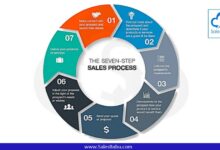


Significance of CRM in the Enterprise Setting
- CRM solutions benefit large businesses by providing a comprehensive view of customer interactions, preferences, and purchase history, allowing for personalized marketing and targeted sales strategies.
- Industries such as finance, telecommunications, retail, and healthcare commonly utilize enterprise CRM solutions to enhance customer engagement and loyalty.
Key Features of Enterprise CRM Solutions
- Advanced reporting and analytics capabilities to track customer behavior and trends.
- Integration with other business systems for seamless data flow and efficient processes.
- Scalability to accommodate the growing needs of a large organization.
Challenges in Implementing Enterprise CRM Solutions
- Resistance to change from employees accustomed to legacy systems.
- Data migration and integration issues when transitioning from basic CRM software to an enterprise-level solution.
Customization Options in Enterprise CRM Solutions
- Various CRM vendors offer different levels of customization to tailor the platform to specific business requirements.
- Customization impacts business operations by improving user experience, increasing efficiency, and aligning with company processes.
Role of Data Analytics and AI Integration
- Data analytics and AI integration enhance enterprise CRM solutions by providing actionable insights, predictive modeling, and automation of routine tasks.
- This advanced technology helps businesses make informed decisions, identify trends, and improve customer satisfaction.
Migrating to an Enterprise CRM Solution
- Assess current CRM needs and identify gaps that an enterprise solution can address.
- Select a suitable CRM vendor based on customization options, scalability, and integration capabilities.
- Plan a phased migration approach to minimize disruption and ensure a smooth transition for users.
Key Features of Enterprise CRM Solutions
Enterprise CRM solutions offer a wide range of features tailored to the needs of large organizations. These key features enable businesses to effectively manage their customer relationships and drive growth. Let’s explore some of the essential features of top CRM solutions for enterprises.
Customization Options in Enterprise CRM Platforms
Enterprise CRM platforms provide extensive customization options to adapt the system to the specific needs of a business. This includes the ability to tailor workflows, data fields, and reporting tools to align with unique processes and requirements.
Scalability of Different CRM Solutions for Large Organizations
Scalability is crucial for enterprise CRM solutions to accommodate the growing needs of large organizations. Top CRM platforms offer scalability features that allow businesses to easily expand the system as their customer base and operations grow.
Integration Capabilities of Enterprise CRM Systems with Other Business Tools
Integration capabilities are essential for enterprise CRM systems to seamlessly connect with other business tools such as marketing automation, ERP, and customer support platforms. This integration enhances data visibility and streamlines processes across the organization.
Successful Implementation of Enterprise CRM Solutions in Real-World Scenarios
Real-world examples of successful implementation of enterprise CRM solutions showcase the tangible benefits these platforms can bring to businesses. From improved customer satisfaction to increased sales and productivity, these success stories highlight the value of adopting a robust CRM system.
Security Measures in Leading CRM Platforms to Protect Sensitive Customer Data
Leading CRM platforms prioritize data security by implementing advanced security measures to protect sensitive customer information. This includes encryption, access controls, and compliance with data protection regulations to ensure the confidentiality and integrity of customer data.
Integration Capabilities
Enterprise CRM solutions offer powerful integration capabilities that allow businesses to streamline their operations and improve efficiency. Integrating CRM systems with other business software is essential for maximizing the benefits of CRM and ensuring a seamless flow of data across different departments.
Popular Integrations with CRM Solutions
- Integration with Email Marketing Platforms: CRM systems often integrate with popular email marketing tools like Mailchimp or Constant Contact to allow for targeted marketing campaigns based on customer data.
- Integration with E-commerce Platforms: Seamless integration with platforms like Shopify or Magento enables businesses to track customer interactions and purchase history, providing a holistic view of customer behavior.
- Integration with Help Desk Software: Connecting CRM with help desk solutions like Zendesk or Freshdesk ensures that customer support teams have access to relevant customer information to provide personalized assistance.
Importance of Seamless Integration for Large Enterprises
Large enterprises deal with vast amounts of data and complex workflows, making seamless integration between CRM systems and other software crucial for maintaining efficiency and accuracy in operations. A well-integrated system ensures that all departments have access to real-time data, leading to better decision-making and improved customer service.
Setting up API Connections Between CRM Systems and Other Software
API connections allow CRM systems to communicate with other software applications, enabling the seamless flow of data between different platforms.
To set up API connections, businesses need to establish secure authentication protocols, define data mapping rules, and test the integration to ensure compatibility and data accuracy.
Benefits of Integrating CRM with Marketing Automation Tools
- Personalized Marketing Campaigns: Integration with marketing automation tools allows businesses to create targeted campaigns based on customer behavior and preferences.
- Lead Nurturing: CRM integration with marketing automation streamlines lead nurturing processes by automating follow-up emails and tracking customer interactions.
- Improved ROI: By combining CRM data with marketing automation insights, businesses can optimize marketing strategies and improve overall return on investment.
Cloud-Based CRM Systems vs. On-Premise CRM Systems Integration
Cloud-based CRM systems offer easier integration with other cloud-based solutions due to their scalability and flexibility. On the other hand, on-premise CRM systems may require more extensive customization and IT support for integration with legacy systems.
Key Features for Successful Integration Between CRM and Accounting Software
| Key Features | Description |
|---|---|
| Data Mapping | Ensuring accurate mapping of customer data between CRM and accounting systems. |
| Real-Time Sync | Automating data synchronization to provide up-to-date financial information. |
| Custom Reporting | Generating custom reports that combine CRM and accounting data for better insights. |
Integrating CRM with Project Management Tools: Step-by-Step Guide
- Identify Integration Needs: Determine the data points that need to be shared between CRM and project management tools.
- Select Integration Method: Choose a suitable integration method, whether through APIs, third-party connectors, or custom development.
- Configure Integration Settings: Set up data mapping, authentication, and synchronization schedules for seamless integration.
- Test Integration: Conduct thorough testing to ensure data accuracy and system compatibility.
- Monitor and Optimize: Regularly monitor the integration performance and make adjustments to optimize workflow efficiency.
Data Management and Security
When it comes to enterprise CRM solutions, data management and security play a crucial role in maintaining the integrity of customer information and ensuring compliance with regulations.
Data Management Functionalities
- Centralized Data Storage: Leading CRM solutions offer a centralized repository for storing customer data, making it easily accessible to authorized users.
- Data Segmentation: CRM systems allow for the segmentation of data based on various criteria, enabling targeted marketing campaigns and personalized customer interactions.
- Data Integration: These solutions often have integration capabilities with other systems, allowing for seamless data flow between different departments within an organization.
Security Measures
- Role-based Access Control: CRM solutions implement role-based access control to restrict data access to authorized users only, ensuring that sensitive information is protected.
- Encryption: Customer data is often encrypted both in transit and at rest to prevent unauthorized access and ensure data security.
- Regular Audits: Regular security audits are conducted to identify and address any vulnerabilities in the CRM system, enhancing overall data protection.
Compliance Requirements
- GDPR Compliance: Enterprise CRM solutions are designed to comply with regulations such as the General Data Protection Regulation (GDPR), ensuring that customer data is handled in accordance with data protection laws.
- HIPAA Compliance: For industries dealing with sensitive healthcare information, CRM solutions offer features to comply with the Health Insurance Portability and Accountability Act (HIPAA) requirements.
- PCI DSS Compliance: CRM systems also address Payment Card Industry Data Security Standard (PCI DSS) compliance for organizations handling credit card information, safeguarding financial data.
Automation and AI in CRM
Automation and artificial intelligence (AI) play crucial roles in enhancing the efficiency and effectiveness of enterprise CRM solutions. These advanced technologies streamline processes, improve customer interactions, and provide valuable insights for better decision-making.
Automation Features in Enterprise CRM
- Automated lead scoring and routing to ensure timely follow-ups and prioritize high-potential opportunities.
- Scheduled email campaigns and personalized messaging based on customer behavior and preferences.
- Automated data entry and updates to maintain accurate and up-to-date customer information.
Artificial Intelligence in CRM Capabilities
- AI-powered predictive analytics for sales forecasting, helping businesses anticipate market trends and customer needs.
- Natural Language Processing (NLP) for sentiment analysis, allowing companies to gauge customer satisfaction and address concerns proactively.
- Machine learning algorithms that personalize marketing campaigns by analyzing past interactions and predicting future behavior.
Examples of AI-Driven Functionalities
- Chatbots for instant customer support and assistance, available 24/7 to handle queries and provide quick responses.
- Recommendation engines that suggest products or services based on customer preferences and purchase history.
- Dynamic pricing optimization using AI algorithms to adjust prices in real-time according to demand and market conditions.
Impact of AI on Customer Interactions
AI-powered chatbots have revolutionized customer interactions within CRM systems by offering immediate responses, personalized recommendations, and seamless support. Customers appreciate the quick resolution of issues and the convenience of accessing assistance anytime, leading to higher satisfaction levels.
Predictive Analytics in CRM
- Using predictive analytics in CRM enables businesses to forecast sales trends, identify potential opportunities, and optimize marketing strategies for better results.
- By analyzing historical data and customer behavior patterns, predictive analytics can uncover insights that drive informed decision-making and enhance overall performance.
Machine Learning for Personalized Communication
Machine learning algorithms in CRM platforms can analyze vast amounts of data to personalize communication with customers. By segmenting audiences based on preferences, demographics, and past interactions, businesses can tailor their marketing campaigns and messaging to resonate with each individual, leading to higher engagement and conversion rates.
User Interface and User Experience
User interface design plays a crucial role in the success of enterprise CRM platforms. It directly impacts how users interact with the system and can influence their overall experience. A well-designed user interface can enhance user productivity, increase user adoption rates, and ultimately lead to better outcomes for the organization.
Importance of User Experience in CRM Adoption
User experience is a key factor in driving CRM adoption within organizations. If users find the CRM system difficult to navigate or use, they are less likely to fully embrace it. This can result in lower user engagement, decreased data accuracy, and ultimately, failed implementation of the CRM solution. To ensure successful adoption, organizations must prioritize user experience and design interfaces that are intuitive, user-friendly, and optimized for efficiency.
- Provide a clean and organized layout: A clutter-free interface with clear navigation menus and intuitive design elements can help users easily find the information they need.
- Customize the interface to user roles: Tailoring the CRM interface to specific user roles and responsibilities can streamline workflows and improve overall user efficiency.
- Offer training and support: Comprehensive training programs and ongoing support resources can help users feel more confident in using the CRM system, leading to higher adoption rates.
- Gather feedback and make improvements: Regularly soliciting feedback from users and incorporating their suggestions for interface enhancements can result in a more user-centric CRM system.
Mobile Accessibility
Mobile accessibility is a crucial aspect of enterprise CRM solutions, allowing users to access important customer data and tools on the go. Having a mobile-responsive CRM system benefits field and remote teams by enabling them to stay connected and productive while away from the office.
Benefits of Mobile-Responsive CRM
- Real-time access to customer information
- Improved collaboration among team members
- Enhanced productivity with on-the-go data entry and updates
User Experience Comparison
When comparing accessing CRM systems on desktop versus mobile devices, the user experience can vary significantly. While desktops offer a larger screen for viewing complex data, mobile devices provide convenience and accessibility for quick updates and communication.
Importance of Offline Access
Offline access in CRM mobile applications is crucial for users who frequently work in areas with limited connectivity. It ensures that users can continue working and accessing critical information even when offline, syncing changes once a connection is reestablished.
Top CRM Platforms for Mobile Users
| CRM Platform | Key Mobile Features |
|---|---|
| Salesforce | Mobile app with full CRM functionality |
| HubSpot | Mobile-friendly interface for easy access |
| Zoho CRM | Offline access for remote work |
| Microsoft Dynamics 365 | Mobile customization options |
| Pipedrive | Intuitive mobile app for on-the-go sales teams |
Best Practices for Mobile CRM Interface Design
- Simple and intuitive navigation
- Optimized for touch screen interactions
- Customizable dashboards for personalized use
- Integration with other mobile apps for seamless workflow
Customer Support and Training
Customer support and training are crucial aspects of successful CRM implementation. Here, we will detail the customer support options provided by top enterprise CRM vendors, discuss the importance of training resources, and share tips for effective user training and ongoing support.
Customer Support Options
Top enterprise CRM vendors provide various customer support options to assist users with any issues or queries they may have. Some common support options include:
- 24/7 technical support via phone, email, or live chat.
- Online knowledge base with FAQs, guides, and tutorials.
- Dedicated account managers or customer success teams for personalized support.
- Training webinars and workshops to enhance user knowledge and skills.
Importance of Training Resources
Training resources play a vital role in ensuring successful CRM implementation. Proper training can help users understand the system better, improve user adoption rates, and maximize the benefits of the CRM software. It is essential to invest time and resources in training to avoid any usability issues and ensure a smooth transition.
Tips for Effective User Training and Ongoing Support
- Develop a comprehensive training plan tailored to your organization’s needs and goals.
- Provide hands-on training sessions with real-life scenarios to help users apply their knowledge practically.
- Offer continuous training and refresher courses to keep users updated on new features and functionalities.
- Encourage feedback from users to identify areas for improvement and address any issues promptly.
- Regularly assess user proficiency and provide additional support or resources as needed.
Reporting and Analytics
Enterprise CRM solutions offer robust reporting and analytics capabilities that enable businesses to track and analyze key metrics to make informed decisions. The data collected from customer interactions, sales activities, and marketing campaigns can be visualized and analyzed to gain valuable insights.
Data Visualization Tools
Data visualization tools play a crucial role in aiding decision-making for businesses. By presenting complex data in an easily digestible format, these tools help organizations identify trends, patterns, and outliers. Visual representations such as charts, graphs, and dashboards make it easier for users to interpret data and derive actionable insights.
- Charts and Graphs: Visual representations of data trends and patterns
- Dashboards: Consolidated view of key performance indicators (KPIs) for quick analysis
- Heat Maps: Highlight areas of interest or concern based on data intensity
Key Performance Indicators (KPIs)
CRM analytics track various KPIs that are crucial for measuring the performance and effectiveness of business operations. Some examples of KPIs commonly tracked using CRM analytics include:
- Sales Revenue: Total revenue generated from sales activities
- Customer Acquisition Cost (CAC): Cost incurred to acquire a new customer
- Customer Lifetime Value (CLV): Predicted revenue generated from a customer over their lifetime
- Conversion Rate: Percentage of leads that convert into paying customers
- Customer Satisfaction Score (CSAT): Measure of customer satisfaction with products or services
Customization and Personalization
Customization and personalization play a crucial role in enhancing customer relationships and optimizing business processes through enterprise CRM solutions.
Levels of Customization in Enterprise CRM Platforms
- Basic Customization: This includes modifying fields, layouts, and workflows to align with specific business requirements.
- Advanced Customization: Involves creating custom modules, reports, and dashboards tailored to unique business needs.
- API Integration: Allows for seamless integration with other business systems to enhance functionality and data sharing.
Role of Personalization in Customer Interactions
- Enhanced Customer Experience: Personalizing interactions based on customer preferences and behavior leads to improved satisfaction and loyalty.
- Targeted Marketing Campaigns: Personalization enables businesses to deliver targeted messages and offers, increasing engagement and conversions.
- Segmentation and Targeting: By segmenting customers based on demographics, interests, and purchase history, businesses can deliver relevant content and offers.
Strategies for Tailoring CRM Solutions
- Define Business Objectives: Clearly outline the goals and objectives that the CRM solution should help achieve.
- User Training and Adoption: Ensure proper training for users to leverage the full potential of customization features.
- Regular Evaluation and Optimization: Continuously review and optimize the CRM solution to adapt to changing business needs and customer preferences.
Pricing Models
When it comes to enterprise CRM solutions, understanding the pricing models is crucial for making informed decisions. Let’s delve into the various aspects of pricing structures, customization impact, setup costs, ROI analysis, and choosing between on-premise and cloud-based options.
Comparison of Pricing Structures
- Oracle CRM: Oracle offers a subscription-based pricing model, where organizations pay a monthly or annual fee per user. Additional costs may apply for customization and advanced features.
- Salesforce CRM: Salesforce follows a tiered pricing structure, with different editions catering to various business sizes. Pricing is based on the number of users and features required.
- Microsoft Dynamics 365: Microsoft offers a flexible pricing model, allowing organizations to select specific apps and modules based on their needs. Pricing is typically based on a per-user, per-month basis.
Impact of Customization on CRM Costs
Customization can significantly impact the overall cost of CRM implementation for large organizations. While tailored solutions may meet specific requirements, they often incur additional expenses for development, integration, and maintenance.
Breakdown of Setup Costs vs. Ongoing Expenses
Initial setup costs for CRM systems in an enterprise setting include software licenses, implementation services, training, and data migration. Ongoing maintenance expenses encompass subscription fees, support services, updates, and additional integrations.
Analyzing ROI for CRM Implementation
To calculate the return on investment (ROI) for implementing a CRM solution, organizations should consider factors like increased productivity, revenue growth, cost savings, and customer retention. A comprehensive analysis should include both tangible and intangible benefits.
Cost-Benefit Analysis for On-Premise vs. Cloud-Based Solutions
- On-Premise: Initial costs may be higher due to hardware and infrastructure investments, but long-term expenses can be lower with no recurring subscription fees.
- Cloud-Based: Lower upfront costs with pay-as-you-go pricing, but ongoing expenses can accumulate over time. Consider scalability, security, and customization needs when comparing the two options.
Case Studies and Success Stories
Implementing enterprise CRM solutions has proven to be a game-changer for many businesses, optimizing their customer relationship management processes and driving growth. Let’s explore some real-world examples of businesses that have reaped the benefits of CRM adoption.
Case Study 1: Retail Company X
- Company X, a retail giant, faced challenges in managing customer data and providing personalized shopping experiences.
- By implementing an enterprise CRM solution, Company X streamlined its sales processes, improved customer interactions, and boosted customer satisfaction.
- The CRM platform provided valuable insights into customer preferences, enabling Company X to tailor marketing campaigns and promotions effectively.
Case Study 2: Tech Startup Y
- Tech Startup Y struggled with scattered data across multiple platforms, leading to inefficiencies in sales and customer service.
- With the adoption of an enterprise CRM solution, Tech Startup Y centralized its data, enhanced collaboration among teams, and improved lead management.
- The CRM platform automated repetitive tasks, allowing the team to focus on strategic initiatives and customer engagement, resulting in increased sales and revenue.
Key Takeaways
- Effective implementation of CRM solutions can streamline business processes, enhance customer relationships, and drive revenue growth.
- Centralizing customer data and automating tasks can lead to improved efficiency and productivity within the organization.
- Personalized marketing strategies and data-driven insights can help businesses tailor their approach to meet customer needs effectively.
Implementation Strategies
Implementing enterprise CRM solutions within organizations requires careful planning and execution to ensure a successful transition. Let’s explore some best practices and tips for a smooth CRM deployment.
Assessing Current CRM Needs
When implementing a new CRM system, it is crucial to assess the organization’s current CRM needs to determine the requirements and goals for the new system. This can be done through the following steps:
- Conduct a comprehensive audit of the existing CRM system to identify strengths, weaknesses, and areas for improvement.
- Engage key stakeholders and departments to gather feedback on pain points and desired features.
- Define clear objectives and success metrics for the new CRM system to align with the organization’s goals.
Training and Transition Plan
To ensure a smooth transition to a new CRM system, it is essential to prioritize employee training and change management. Here are some tips for effective training sessions:
- Provide hands-on training sessions with real-world scenarios to help employees understand the system better.
- Offer continuous support and resources for employees to refer back to after the initial training sessions.
- Assign super-users or champions within each department to provide ongoing support and assistance to their colleagues.
CRM Customization and User Feedback
Customizing the CRM system to meet the specific requirements of the organization is key to maximizing its effectiveness. Additionally, incorporating user feedback during the implementation process can lead to continuous improvement. Some recommendations include:
- Work closely with the CRM vendor to tailor the system to the organization’s unique workflows and processes.
- Regularly solicit feedback from end-users to identify pain points and areas for enhancement.
- Implement a feedback loop to prioritize and address user suggestions for system improvements.
Future Trends in Enterprise CRM
As technology continues to advance rapidly, the future of Enterprise CRM solutions is set to witness significant transformations. Emerging trends such as AI, automation, and data analytics are reshaping the CRM landscape, offering new opportunities for large enterprises to enhance customer relationships and drive business growth.
Impact of Emerging Technologies
- AI and Automation: The integration of AI-powered tools and automation in CRM systems will streamline processes, improve efficiency, and provide valuable insights for decision-making.
- Data Analytics: Advanced analytics capabilities will enable enterprises to leverage data for predictive modeling, trend analysis, and personalized customer interactions.
Evolution of CRM Solutions
- Personalization and Customer Segmentation: Future CRM solutions will focus on delivering personalized experiences through effective customer segmentation strategies, enhancing customer satisfaction and loyalty.
- Integration of IoT Devices: The integration of IoT devices with CRM systems will enable enterprises to gather real-time data, optimize operations, and deliver proactive customer service.
- Mobile CRM Applications: Mobile accessibility will remain crucial in the future, with CRM applications evolving to meet the changing needs of enterprises for on-the-go access and seamless user experience.
Ethical Considerations and Social Media Integration
- Ethical Use of Customer Data: As CRM technologies become more advanced, ethical considerations around the collection, storage, and use of customer data will be paramount to maintain trust and compliance with data protection regulations.
- Social Media Data Integration: Leveraging social media data within CRM platforms will be essential for enterprises to understand customer behavior, preferences, and sentiment, driving targeted engagement strategies and fostering brand loyalty.
Vendor Comparison and Selection
When it comes to selecting the right enterprise CRM solution for a large organization, comparing different vendors is crucial. Each vendor offers unique features and capabilities that can impact how effectively the CRM system aligns with your business needs. Here, we will discuss a framework for comparing different enterprise CRM vendors and key factors to consider when making your selection.
Framework for Vendor Comparison
- Consider the scalability of the CRM solution to ensure it can grow with your organization.
- Evaluate the integration capabilities of the vendor to seamlessly connect with your existing systems.
- Assess the level of customer support and training provided to ensure a smooth implementation process.
- Review the customization and personalization options to tailor the CRM system to your specific requirements.
Key Factors for Selection
- Compatibility with your existing systems and software.
- Data security measures implemented by the vendor to protect sensitive information.
- Pricing models and flexibility to accommodate your budget and needs.
- User interface and user experience to ensure ease of use for your employees.
Tips for Vendor Demos and Evaluation
- Prepare a list of specific requirements and questions to ask during the demo.
- Request a hands-on demo to test the usability and functionality of the CRM system.
- Ask for references from other organizations using the vendor’s CRM solution to validate their performance.
- Consider the vendor’s reputation, industry experience, and track record of successful implementations.
Epilogue
In conclusion, Best Enterprise CRM Solutions offer a robust set of tools and features to revolutionize customer relationship management for large organizations, ensuring seamless integration, data security, and personalized customer interactions to drive business success in the digital age.
