Imagine your computer crashing at the worst possible moment—lost files, frozen screen, or worse, a blank boot. That’s where system recovery steps in as your digital lifeline. It’s not just a fix; it’s a full restoration toolkit to bring your machine back from the brink. Let’s dive into how you can master it.
[ez-toc]






What Is System Recovery and Why It Matters
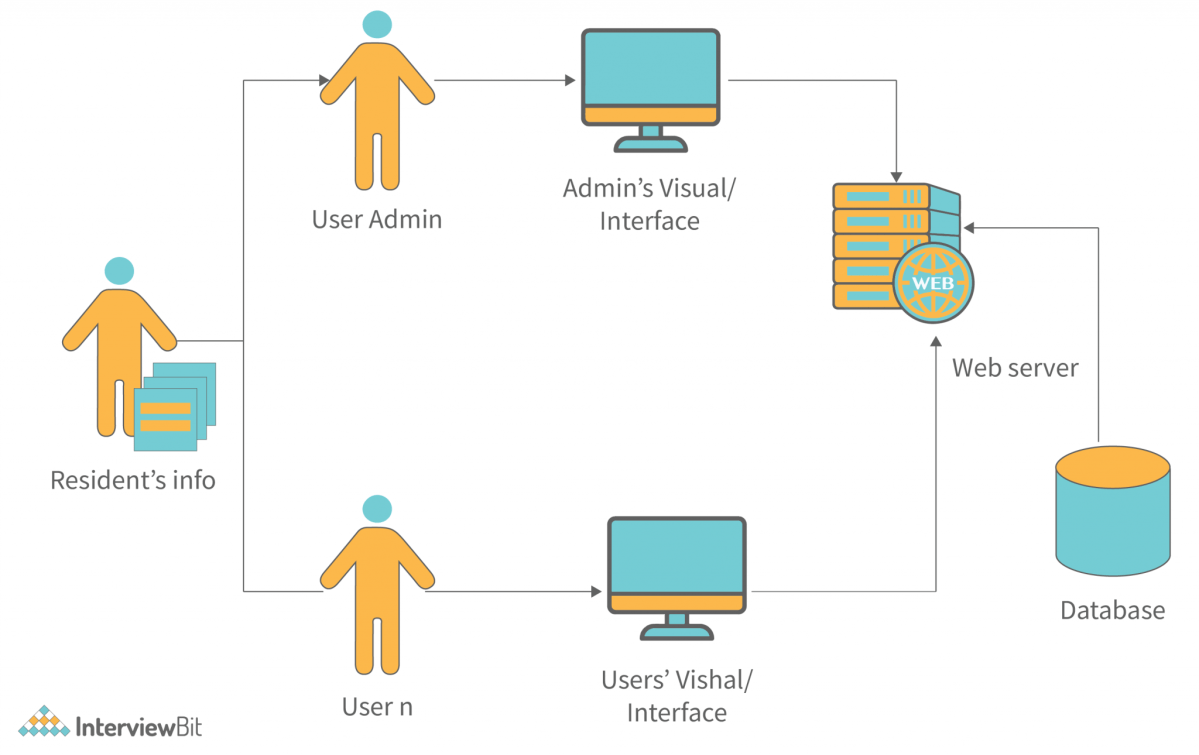
System recovery refers to the process of restoring a computer system to a functional state after a failure, corruption, or crash. Whether due to malware, hardware issues, or software conflicts, system recovery ensures that your operating system, files, and settings can be retrieved or reset to a stable condition.
Defining System Recovery in Modern Computing
In today’s digital landscape, system recovery isn’t just about fixing broken systems—it’s about resilience. From personal laptops to enterprise servers, the ability to recover quickly minimizes downtime and data loss. According to Microsoft, over 60% of users who experience system crashes without proper recovery tools lose critical data permanently.
- System recovery includes restoring OS, applications, and user data.
- It can be initiated manually or automatically via built-in tools.
- Recovery methods vary based on operating system and device type.
Common Causes of System Failure Requiring Recovery
Understanding what triggers the need for system recovery is the first step in prevention. Common causes include:
- Malware infections: Viruses, ransomware, and spyware can corrupt system files.
- Software conflicts: Incompatible drivers or updates can destabilize the OS.
- Hardware failures: Faulty hard drives or RAM can lead to boot errors.
- Power outages: Sudden shutdowns during critical operations can damage file systems.
- User errors: Accidental deletion of system files or misconfigured settings.
“System recovery is not a luxury—it’s a necessity in an era where data is king.” — TechRadar, 2023
Types of System Recovery Methods
There are several approaches to system recovery, each suited for different scenarios. Choosing the right method depends on the severity of the issue, available backups, and system configuration.
System Restore (Windows)
One of the most accessible tools for Windows users is System Restore. This feature creates restore points—snapshots of system files, registry settings, and installed programs—at various intervals.
- Does not affect personal files like documents or photos.
- Can be accessed via Safe Mode or recovery environment.
- Limited to changes made to system components.
For detailed instructions, visit Microsoft’s official guide on System Restore.
Time Machine (macOS)
Apple’s Time Machine is a robust system recovery solution for macOS users. It automatically backs up the entire system, including applications, system files, music, photos, and documents.
- Requires an external drive or network-attached storage (NAS).
- Allows restoration to any point in time.
- Seamlessly integrates with macOS Recovery Mode.
Learn more at Apple’s Time Machine support page.
Bare Metal Recovery
Bare metal recovery involves restoring an entire system from scratch, including the operating system, applications, and data, onto new or reformatted hardware.
- Used in enterprise environments after catastrophic failures.
- Requires a complete image backup of the system.
- Tools like Acronis True Image or Macrium Reflect support this method.
Step-by-Step Guide to Performing System Recovery
Executing a successful system recovery requires careful planning and execution. Below is a comprehensive guide applicable to most Windows and macOS systems.
Preparing for System Recovery
Before initiating recovery, ensure you have the following:
- Access to a recovery drive or installation media.
- Valid backup of personal files (if possible).
- Product keys or activation credentials for software.
- Internet connection for downloading updates or drivers.
Creating a Windows recovery drive is simple: go to Settings > Update & Security > Recovery > Create a recovery drive. Follow the prompts to use a USB flash drive (8GB or larger).
Booting into Recovery Mode
Accessing the recovery environment is the first technical step.
- Windows: Restart the PC and press F11 or Shift + Restart. Alternatively, use installation media and select “Repair your computer.”
- macOS: Restart and hold Command + R until the Apple logo appears. This boots into macOS Recovery.
Once in recovery mode, you’ll see options like Restore from Backup, Reinstall OS, or Disk Utility.
Executing the Recovery Process
The actual recovery depends on your chosen method:
- System Restore: Choose a restore point before the system failed.
- Image Recovery: Use third-party tools to restore a full disk image.
- Clean Install: Reinstall the OS from scratch if corruption is severe.
After recovery, reinstall critical updates and scan for malware to ensure stability.
System Recovery Tools You Should Know
While built-in tools are helpful, third-party software often provides more advanced features and flexibility for system recovery.
Acronis True Image
Acronis True Image is a powerful tool for full system imaging and recovery. It supports disk cloning, cloud backups, and ransomware protection.
- Creates exact copies of your hard drive.
- Allows recovery to dissimilar hardware.
- Includes active protection against crypto-malware.
Visit Acronis official site for more details.
Macrium Reflect
Macrium Reflect is a favorite among Windows users for its reliability and free version. It offers real-time backups, incremental imaging, and PXE boot support.
- Free version available for personal use.
- Supports UEFI and GPT disks.
- Can create rescue media for bootable recovery.
Learn more at Macrium Reflect Free Edition.
Clonezilla
Clonezilla is an open-source alternative for advanced users. It’s ideal for IT professionals managing multiple systems.
- Supports mass deployment and disk imaging.
- Runs from a live Linux environment.
- Highly customizable but requires technical knowledge.
Check out Clonezilla’s official site for documentation and downloads.
Cloud-Based System Recovery Solutions
With the rise of cloud computing, system recovery has evolved beyond local drives. Cloud-based recovery offers remote access, scalability, and enhanced security.
Microsoft OneDrive and Windows 365 Recovery
Microsoft integrates cloud recovery through OneDrive and Windows 365. Files saved to OneDrive are automatically backed up and can be restored from any device.
- OneDrive version history allows rollback of files.
- Windows 365 enables cloud PC recovery with minimal downtime.
- Enterprise policies can enforce automatic backup schedules.
Explore Windows 365 business solutions for enterprise recovery options.
Google Workspace and Chromebook Recovery
Chromebooks use a streamlined recovery process via Google’s ecosystem. If a Chromebook fails, users can restore settings and apps from their Google account.
- Recovery mode involves downloading a recovery image to a USB drive.
- Data is synced to Google Drive if enabled.
- Process takes under 15 minutes in most cases.
Instructions are available at Chromebook Recovery Guide.
Cloud Disaster Recovery (DRaaS)
Disaster Recovery as a Service (DRaaS) is used by businesses to ensure continuity. Providers like AWS, Azure, and VMware offer automated failover and recovery.
- Replicates entire virtual machines to the cloud.
- Enables near-instant recovery during outages.
- Reduces reliance on physical infrastructure.
Preventing the Need for System Recovery
The best recovery strategy is avoiding the need for one. Proactive maintenance significantly reduces the risk of system failure.
Regular Backups and Scheduling
Automated backups are the cornerstone of prevention. Set up daily or weekly backups depending on usage.
- Use external drives or cloud storage for redundancy.
- Test backups periodically to ensure they’re restorable.
- Follow the 3-2-1 rule: 3 copies, 2 media types, 1 offsite.
Keeping Software and Drivers Updated
Outdated software is a common entry point for malware and instability.
- Enable automatic updates for OS and antivirus.
- Regularly check for driver updates from manufacturer websites.
- Avoid installing untrusted third-party software.
Using Antivirus and Anti-Malware Tools
Real-time protection is essential for preventing system corruption.
- Windows Defender provides solid baseline protection.
- Supplement with tools like Malwarebytes for scans.
- Schedule weekly deep scans to catch hidden threats.
System Recovery for Businesses and IT Teams
For organizations, system recovery is part of a broader disaster recovery (DR) and business continuity plan (BCP).
Developing a Disaster Recovery Plan
A formal DR plan outlines procedures for responding to system failures.
- Identify critical systems and recovery time objectives (RTO).
- Assign roles and responsibilities for IT staff.
- Document recovery steps and store them offsite.
Testing Recovery Procedures
Regular testing ensures that recovery plans work when needed.
- Conduct simulated outages quarterly.
- Measure recovery time and success rate.
- Update plans based on test results and system changes.
Automated Recovery and Monitoring Tools
Enterprise tools like Nagios, SolarWinds, and Microsoft System Center monitor system health and can trigger automated recovery actions.
- Alert administrators to disk failures or high CPU usage.
- Automatically restart services or failover to backup servers.
- Integrate with SIEM systems for security event correlation.
Future Trends in System Recovery Technology
As technology evolves, so do recovery methods. Emerging trends are making system recovery faster, smarter, and more reliable.
AI-Powered Recovery Systems
Artificial intelligence is being used to predict failures before they happen.
- Machine learning models analyze system logs for anomalies.
- AI can suggest optimal restore points based on usage patterns.
- Companies like IBM and Google are integrating AI into cloud recovery.
Blockchain for Recovery Integrity
Blockchain technology ensures that backup files haven’t been tampered with.
- Each backup is hashed and recorded on a decentralized ledger.
- Provides cryptographic proof of data authenticity.
- Useful for compliance in finance and healthcare sectors.
Edge Computing and Local Recovery
With the growth of IoT and edge devices, local recovery is becoming crucial.
- Devices recover using local caches instead of cloud servers.
- Reduces latency and dependency on internet connectivity.
- Used in remote industrial and medical systems.
What is system recovery?
System recovery is the process of restoring a computer system to a functional state after a crash, corruption, or failure. It can involve restoring the operating system, applications, and data using backups, restore points, or recovery tools.
How do I perform system recovery on Windows 10?
Restart your PC and press F11 or go to Settings > Update & Security > Recovery > Advanced Startup > Restart now. From there, choose “Repair your computer,” then select System Restore, Reset this PC, or use a recovery drive.
Does system recovery delete my personal files?
It depends on the method. System Restore does not delete personal files. However, resetting your PC or performing a clean install may erase files unless you choose the “Keep my files” option or have a backup.
Can I recover a system without a backup?
Yes, but options are limited. You can use built-in recovery tools like Windows Recovery Environment or macOS Recovery Mode to reinstall the OS. However, without a backup, personal data may be lost.
What is the difference between system restore and reset?
System Restore reverts system files and settings to a previous point without affecting personal files. Reset this PC reinstalls Windows and can either keep or remove personal files and apps, offering a fresh start.
System recovery is an essential skill in today’s digital world. Whether you’re a casual user or an IT professional, understanding how to restore a system can save time, money, and stress. From built-in tools like System Restore and Time Machine to advanced solutions like Acronis and cloud-based DRaaS, the options are vast. The key is preparation—regular backups, updated software, and a clear recovery plan. As technology advances, AI, blockchain, and edge computing will further enhance recovery capabilities, making systems more resilient than ever. Don’t wait for a disaster to strike—start building your recovery strategy today.
Further Reading: