CRM system pricing is a crucial aspect that businesses need to consider for effective customer relationship management. Dive into the details of costs and customization to make informed decisions.
Overview of CRM System Pricing
CRM system pricing refers to the cost associated with implementing and using customer relationship management software for businesses. It encompasses various factors such as licensing fees, implementation costs, customization fees, and ongoing support charges.
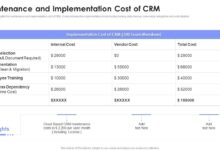
Understanding different pricing models is crucial for businesses looking to invest in a CRM system. Pricing models can include subscription-based pricing, where users pay a monthly or yearly fee, or one-time perpetual licensing, which involves a larger upfront cost. Other models may involve usage-based pricing, where costs are determined by the number of users or the level of usage.
CRM system pricing can vary based on the features and scalability of the software. Basic CRM systems with standard features may be more affordable for small businesses, while enterprise-level solutions with advanced functionalities may come at a higher price point. Scalability is also a key factor, as businesses need to consider whether the CRM system can grow with their needs without incurring significant additional costs.
Factors Influencing CRM System Pricing
When it comes to CRM system pricing, several key factors come into play that influence the overall cost. Understanding these factors is crucial for businesses looking to invest in a CRM system.
Deployment Options: Cloud-based vs. On-premise
One of the primary factors that affect CRM system pricing is the deployment option chosen by the business. Cloud-based CRM systems typically involve a subscription-based pricing model, where users pay a monthly or annual fee for access to the software. On the other hand, on-premise CRM systems require a larger upfront investment in hardware and software licenses, which can significantly impact the overall cost.
- Cloud-based CRM systems offer lower initial costs as businesses do not have to invest in hardware or IT infrastructure.
- On-premise CRM systems may have higher upfront costs due to hardware and software purchases, but can sometimes be more cost-effective in the long run for larger organizations.
Customization and Integrations
Another factor that influences CRM system pricing is the level of customization and integrations required by the business. Customizing a CRM system to meet specific business needs can increase the overall cost, as it may require additional development work or third-party integrations.
Integration with other business systems, such as ERP or marketing automation platforms, can also impact CRM system pricing.
- Basic CRM systems with limited customization options may be more affordable for small businesses with straightforward needs.
- Businesses with complex workflows or specific requirements may need a more customizable CRM solution, which can result in higher costs.
Common Pricing Models in CRM Systems
When it comes to CRM system pricing, there are several common pricing models that companies use to offer their services. Each pricing model has its own set of advantages and disadvantages, impacting the total cost of ownership and scalability for businesses of different sizes. Let’s explore some of the popular pricing models used in CRM systems.
Per User Pricing
Per user pricing is a common model where the cost is based on the number of users who will be accessing the CRM system. The more users you have, the higher the cost. This model is straightforward and easy to understand, making it suitable for businesses looking for a simple pricing structure.
Tiered Pricing
Tiered pricing is another popular model where users can choose from different tiers or packages based on their needs. Each tier comes with a set of features and functionalities, with the price increasing as you move up to higher tiers. This model allows businesses to scale their CRM usage according to their requirements.
Usage-based Pricing
Usage-based pricing is a model where the cost is determined by the amount of resources or features used within the CRM system. Companies are charged based on the number of emails sent, storage used, or API calls made. This model can be cost-effective for businesses with fluctuating usage needs.
Advantages and Disadvantages
- Per User Pricing: Advantages include clear cost allocation per user, but it may not be cost-effective for businesses with a large number of users. Disadvantages include potential high costs for growing companies.
- Tiered Pricing: Advantages include scalability and flexibility, but businesses may end up paying for features they don’t use. Disadvantages include limited customization options.
- Usage-based Pricing: Advantages include cost efficiency based on actual usage, but it can be challenging to predict costs. Disadvantages include potential high costs during peak usage periods.
Scalability and Total Cost of Ownership
Each pricing model impacts the scalability of a CRM system for small, medium, and large businesses differently. Per user pricing may become costly for large enterprises, while tiered pricing offers flexibility but may limit customization. Usage-based pricing can be beneficial for businesses with fluctuating needs but may result in unpredictable costs.
Flexibility for Customization and Integrations
When it comes to customization and integrations, tiered pricing models often provide more flexibility as businesses can choose packages with specific functionalities. Per user pricing may limit customization options, while usage-based pricing can be tailored based on the resources used within the CRM system.
Hidden Costs to Consider in CRM System Pricing
When evaluating CRM system pricing, it’s crucial to uncover and factor in hidden costs that may not be immediately obvious. These additional expenses can significantly impact the overall cost of implementing and maintaining a CRM system. Understanding and accounting for these hidden costs is essential for making an informed decision and avoiding budgetary surprises down the line.
Add-Ons and Customization Services
Many CRM systems offer add-ons and customization services to tailor the platform to specific business needs. While these options can enhance functionality, they often come with additional costs that may not be included in the initial pricing quote. Examples of common add-ons that could incur extra charges include integration with third-party applications, advanced reporting features, or specialized modules for specific industries.
Maintenance and Support
Long-term maintenance costs, such as software updates, data migration, and user training, should also be taken into account when considering CRM system pricing. These ongoing expenses can add up over time and impact the total cost of ownership. Additionally, the quality and responsiveness of customer support services provided by CRM vendors are crucial factors to consider. Researching the reputation of the vendor’s support services can help assess the level of assistance available and anticipate any potential issues that may arise.
Identifying Hidden Fees
It’s essential to compare pricing plans of different CRM systems to identify any hidden fees or charges that may not be clearly outlined in the initial quote. By carefully reviewing the terms and conditions, as well as consulting with the vendor about potential additional costs, buyers can ensure they have a comprehensive understanding of the total investment required for implementing and maintaining a CRM system.
Strategies for Negotiating CRM System Pricing
When it comes to negotiating CRM system pricing, there are several strategies you can employ to secure the best deal for your business. By understanding the factors that influence pricing and being prepared with the right information, you can increase your chances of getting favorable terms from CRM vendors.
Tips for Negotiating Pricing with CRM Vendors
- Do your research: Before entering negotiations, make sure you understand the market rates for CRM systems and what features are essential for your business.
- Highlight your needs: Clearly communicate your specific requirements to vendors to ensure they tailor their pricing to meet your needs.
- Ask for discounts: Don’t be afraid to ask vendors for discounts, especially if you are committing to a long-term contract.
- Request value-added services: Inquire about additional services or features that can be included in the package to enhance the value of the CRM system.
Common Negotiation Tactics for Securing the Best Pricing Deals
- Bundle services: Negotiate for a bundled package of services to get a better overall deal.
- Use competitive offers: Leverage offers from other CRM vendors to negotiate better pricing with your preferred vendor.
- Ask for price matching: If you find a better offer elsewhere, see if your vendor is willing to match or beat the price.
- Negotiate payment terms: Discuss flexible payment options or discounts for upfront payments to improve your pricing terms.
What to Look for in a Contract for Favorable Pricing Terms
- Clear pricing structure: Ensure the contract outlines the pricing structure clearly, including any potential additional costs.
- Guaranteed support: Look for guarantees on support services and response times to avoid unexpected costs for assistance.
- Scalability options: Consider the scalability of the CRM system and how pricing will adjust as your business grows.
- Exit clauses: Review the contract for exit clauses and penalties to understand the implications of ending the agreement early.
Pricing Comparison of Leading CRM Systems
When selecting a CRM system for your business, it’s essential to compare the pricing plans of popular options like Salesforce, HubSpot, and Zoho. Each CRM system offers different features and pricing tiers tailored to various business needs and sizes.
Salesforce CRM Pricing
| Pricing Tier | Key Features | Unique Pricing Structures | Discounts/Add-On Costs |
|---|---|---|---|
| Essentials | Basic Contact Management | Monthly Subscription | Volume Discounts |
| Professional | Customizable Sales Processes | Per User Pricing | Integration Costs |
HubSpot CRM Pricing
- Free Tier: Basic CRM features for small businesses
- Starter Tier: Additional email tracking and automation
- Professional Tier: Advanced sales and marketing tools
Zoho CRM Pricing
- Standard Edition: Sales automation and forecasting tools
- Professional Edition: Advanced analytics and reporting features
- Enterprise Edition: Custom modules and integration capabilities
These CRM systems cater to businesses of all sizes, with pricing models that range from free plans for startups to enterprise-level solutions with customizable features. Discounts, add-on costs, and unique pricing structures may vary based on the selected tier and the number of users.
Value Proposition Analysis
Salesforce offers robust customization options for large enterprises, while HubSpot focuses on inbound marketing and lead generation. Zoho provides a balance between features and affordability, making it suitable for growing businesses looking to scale.
Cost-Benefit Analysis of CRM System Pricing
Cost-benefit analysis is a crucial step in evaluating CRM system pricing, helping businesses make informed decisions on investments. It involves weighing the costs of implementing and maintaining a CRM system against the benefits it provides.
Key Steps in Conducting Cost-Benefit Analysis
- Identify the objectives: Determine the goals you aim to achieve with the CRM system.
- Estimate costs: Calculate all direct and indirect expenses associated with the CRM implementation.
- Evaluate benefits: Quantify the potential gains in productivity, sales, customer satisfaction, and other relevant areas.
- Compare costs and benefits: Analyze the data to see if the benefits outweigh the costs.
Cost Components to Consider
- Licensing fees
- Implementation and customization costs
- Training expenses
- Maintenance and support fees
- Integration costs with existing systems
Quantifying Intangible Benefits
- Customer retention rates
- Improved customer satisfaction scores
- Enhanced data security and compliance
- Streamlined communication and collaboration
Importance of Scalability and Future Growth
Scalability ensures that the CRM system can grow with your business, accommodating increased data, users, and functionality without significant additional costs.
Hypothetical Scenario
In a hypothetical scenario, a company conducts a cost-benefit analysis for two CRM systems. While System A has a lower upfront cost, System B offers more advanced features and scalability. The analysis reveals that over a five-year period, the benefits of System B far outweigh the initial higher cost, leading the company to choose System B for long-term growth.
Customization Options Impact on CRM System Pricing
Customization plays a crucial role in determining the pricing structure of a CRM system. Different levels of customization, ranging from basic to advanced options, can significantly impact the overall cost of implementing and maintaining a CRM system.
Cost Implications of Different Customization Levels
Basic customization options typically involve configuring existing features to align with specific business requirements. This level of customization is usually included in the base price of the CRM system. Intermediate customization may require additional development work or integration with other software, leading to extra costs. Advanced customization, such as building custom modules or workflows, can involve substantial investment in terms of time and resources.
Relationship Between Customization and Pricing Scalability
The extent of customization directly influences the scalability of pricing plans in CRM systems. While off-the-shelf CRM solutions offer fixed pricing tiers with limited customization options, highly customized CRM systems provide flexibility but at a higher price point. Businesses must balance their customization needs with long-term cost considerations to ensure scalability without incurring excessive expenses.
Comparative Analysis: Off-the-Shelf vs. Customized CRM Systems
- Off-the-Shelf CRM Systems: Lower initial costs but limited customization capabilities. Suitable for small to medium-sized businesses with standard processes.
- Customized CRM Systems: Higher upfront investment but tailored to specific business requirements. Ideal for large enterprises with complex workflows and unique needs.
Table: Features and Pricing Tiers for Customization Levels
| Customization Level | Features | Pricing Tier |
|---|---|---|
| Basic | Configurable fields, standard reports | Starter |
| Intermediate | Customizable dashboards, integration options | Standard |
| Advanced | Custom modules, workflow automation | Enterprise |
Future Scalability and Maintenance Costs Consideration
When deciding on the extent of customization for a CRM system, it is essential to consider future scalability and maintenance costs. Overly complex customization can lead to higher maintenance expenses and upgrade challenges. Businesses should evaluate the long-term benefits of customization against the associated costs to make informed decisions.
Enhancing Customer Satisfaction in E-commerce Platforms
Customer satisfaction plays a crucial role in determining the success of e-commerce platforms. Satisfied customers are more likely to make repeat purchases, leave positive reviews, and recommend the platform to others. Therefore, it is essential for e-commerce businesses to focus on enhancing customer satisfaction to maintain a loyal customer base and drive growth.
Importance of Customer Satisfaction in E-commerce Platforms
Customer satisfaction directly impacts the bottom line of e-commerce platforms. Happy customers are more likely to make purchases, spend more money, and become brand advocates. By prioritizing customer satisfaction, e-commerce businesses can differentiate themselves from competitors, build trust with customers, and create long-lasting relationships.
Strategies to Improve User Experience and Increase Customer Retention Rates
- Optimize website usability and navigation to make it easy for customers to find what they are looking for.
- Personalize product recommendations based on past purchase history and browsing behavior.
- Offer fast and reliable shipping options to enhance the overall shopping experience.
- Implement a user-friendly return policy to build trust and confidence in customers.
Role of Personalized Recommendations in Enhancing Customer Satisfaction
Personalized recommendations based on customer preferences and behavior can significantly enhance customer satisfaction. By offering relevant product suggestions, e-commerce platforms can improve the shopping experience, increase engagement, and drive sales. Customers appreciate personalized recommendations as it saves them time and helps them discover new products tailored to their interests.
Impact of Responsive Customer Service on Overall Satisfaction Levels
Responsive customer service is a key driver of customer satisfaction in e-commerce platforms. By providing timely and helpful support, businesses can address customer issues quickly, resolve complaints effectively, and build trust with customers. A responsive customer service team can turn a negative experience into a positive one and create loyal customers who feel valued and heard.
Ways to Gather and Utilize Customer Feedback Effectively for Continuous Improvement
- Collect feedback through surveys, reviews, and ratings to understand customer preferences and pain points.
- Analyze feedback data to identify trends, patterns, and areas for improvement.
- Implement changes based on customer feedback to enhance the overall shopping experience and meet customer expectations.
- Regularly monitor customer feedback and make adjustments to ensure continuous improvement and customer satisfaction.
Industry-Specific Pricing Variances in CRM Systems
In the realm of CRM system pricing, it is crucial to recognize the significant variations that can exist across different industries. These variations are often influenced by specific requirements and features tailored to meet the unique needs of each industry.
Healthcare Industry
- Healthcare organizations typically require CRM systems that are compliant with strict regulations such as HIPAA. This necessitates advanced security measures and customization, leading to higher pricing.
- Integration with Electronic Health Records (EHR) systems and patient portals can also impact pricing due to the complexity of data management and interoperability.
- Features like telemedicine support, appointment scheduling, and patient communication tools can drive up the cost of CRM systems in the healthcare industry.
Retail Industry
- CRM systems for retail businesses often focus on customer engagement, loyalty programs, and omnichannel integration. These capabilities can result in higher pricing to accommodate the volume and complexity of customer data.
- E-commerce integration, inventory management, and personalized marketing functionalities are key factors that contribute to the pricing variances in CRM systems tailored for the retail sector.
- Scalability and the ability to handle peak seasons like holidays or sales events may also influence pricing, as retail businesses require systems that can adapt to fluctuating demands.
Financial Services Industry
- CRM systems for financial services firms need to adhere to strict data security and compliance standards like GDPR and PCI DSS. The implementation of robust encryption and audit trails can drive up pricing.
- Features such as lead management, client onboarding, and wealth management tools are essential for CRM systems in the financial sector, leading to customized solutions with higher costs.
- Integration with trading platforms, risk assessment tools, and regulatory reporting functionalities can also impact pricing due to the specialized requirements of financial institutions.
Trends in CRM System Pricing
In the ever-evolving landscape of CRM system pricing, it is crucial to stay informed about the latest trends shaping the industry. These trends are influenced by various factors such as market dynamics, technological advancements, and competitive pressures. Let’s delve into the current trends in CRM system pricing strategies and explore how they are likely to impact the future of the CRM industry.
Current Trends in CRM System Pricing
- Subscription-Based Pricing: One of the prevailing trends in CRM system pricing is the shift towards subscription-based models. This allows businesses to access CRM software on a recurring payment basis, offering more flexibility and scalability.
- Usage-Based Pricing: Some CRM providers are adopting usage-based pricing models, where customers pay based on the features and functionalities they actually use. This ensures a more customized and cost-effective approach to pricing.
- Value-Based Pricing: Another emerging trend is value-based pricing, where the cost of the CRM system is determined by the perceived value it delivers to the customer. This approach focuses on aligning pricing with the benefits and outcomes provided by the software.
Influence of Market Dynamics and Competition on Pricing Trends
Market dynamics and competition play a significant role in shaping CRM system pricing trends. As the market becomes more saturated with CRM providers, competition intensifies, leading to price wars and innovative pricing strategies to attract and retain customers.
Predictions on Future Pricing Trends in the CRM Industry
- Increased Personalization: Future pricing trends are likely to focus on increased personalization, where CRM systems offer more tailored pricing plans based on individual customer needs and preferences.
- Integration with AI and Automation: With the rise of artificial intelligence and automation in CRM systems, pricing models are expected to evolve to reflect the added value of these advanced technologies, potentially leading to higher price points for AI-powered CRM solutions.
- Shift towards Outcome-Based Pricing: In the future, we may see a shift towards outcome-based pricing models, where customers pay based on the actual results and ROI achieved through the use of the CRM system. This performance-based approach could revolutionize pricing strategies in the CRM industry.
Customer Feedback on CRM System Pricing
Customer feedback on CRM system pricing is a valuable source of information for businesses looking to improve their pricing strategies and enhance customer satisfaction. By gathering insights from customers about their experiences with CRM system pricing, companies can identify common pain points and positive aspects to address and capitalize on, respectively.
Role of Pricing Transparency in Customer Satisfaction
One key aspect highlighted in customer feedback is the importance of pricing transparency in fostering trust and satisfaction. Customers appreciate clear and upfront pricing information that allows them to make informed decisions. When pricing is transparent, customers are more likely to trust the company and feel valued, leading to improved satisfaction and loyalty.
- Customers often mention that hidden fees or unexpected charges can be a major source of frustration and can erode trust in a company. Transparent pricing helps avoid misunderstandings and build stronger relationships with customers.
- Positive feedback is often given when pricing options are clearly outlined, making it easy for customers to choose the plan that best fits their needs and budget. This level of transparency demonstrates a company’s commitment to fair pricing practices.
- Feedback also indicates that companies that provide detailed breakdowns of pricing components and offer flexible payment options tend to receive higher ratings for customer satisfaction. This level of clarity and flexibility can make customers feel more in control of their purchasing decisions.
Best Practices for Evaluating CRM System Pricing
When evaluating CRM system pricing, it’s crucial to consider various factors to make an informed decision that aligns with your budget and business goals. Here is a step-by-step guide on how to evaluate and compare CRM system pricing effectively:
Define Budget and Requirements
Prior to evaluating CRM system pricing, define your budget constraints and feature requirements. Consider your company size, user needs, and long-term goals to determine a realistic budget for the CRM system.
- Assess the number of users who will need access to the CRM system and the features they require.
- Identify key functionalities such as lead management, customer support, marketing automation, and analytics that are essential for your business operations.
- Consider scalability options to accommodate future growth and additional features.
Research and Compare Pricing Models
Research different CRM vendors and compare their pricing models to find a solution that fits your budget and requirements. Look for transparent pricing structures that align with your usage needs and offer scalability options as your business grows.
Compare subscription-based pricing, pay-per-user models, and custom pricing packages to find the most cost-effective solution for your business.
Evaluate Total Cost of Ownership
In addition to the upfront pricing, consider the total cost of ownership when evaluating CRM system pricing. Look for hidden costs such as implementation fees, training costs, customization fees, and ongoing support charges that can impact your budget over time.
- Calculate the total cost of ownership over a specific period to get a clear picture of the expenses involved.
- Avoid choosing a CRM system solely based on the initial price without considering long-term costs.
Request Demos and Trials
Before making a final decision, request demos and trials from CRM vendors to test the system’s usability, features, and compatibility with your business processes. Take advantage of free trials to assess the CRM system’s performance and user experience before committing to a purchase.
- Involve key stakeholders in the demo and trial process to gather feedback and insights from different perspectives.
- Test the CRM system’s integration capabilities with existing software and tools used in your organization.
Negotiate and Seek Discounts
Don’t hesitate to negotiate with CRM vendors and seek discounts or special offers to lower the pricing. Many vendors are open to negotiation, especially for long-term contracts or bulk user licenses. Take the opportunity to leverage competing offers and negotiate a competitive price that fits your budget.
- Highlight your loyalty and commitment to a vendor to negotiate better pricing or additional features.
- Compare pricing quotes from different vendors and use them as leverage during negotiations to secure the best deal.
Closure
Exploring CRM system pricing unveils the intricacies of cost structures and customization options, empowering businesses to optimize their CRM strategies for enhanced efficiency and profitability.
